Our verdict in one paragraph
FemiCore is a reasonably thought-out combination on paper. Pairing cranberry with lactobacilli fits current thinking about the urogenital microbiome, and Lactobacillus crispatus is a sensible strain to include. The weaknesses are significant, though: no individual doses, a herbal blend of only 350 mg shared across four ingredients, probiotics labelled in milligrams rather than CFU, no clinical trial on the finished product, and bearberry, an herb that European regulators limit to one week of use, in a capsule meant to be taken daily. If you try it, start with the smallest package, check with your doctor about medicines, and keep the 60-day refund window in mind.
What we like
- Clear label with full ingredient list and named probiotic strains
- Includes cranberry, the ingredient with the best human evidence for recurrent UTIs in women
- Includes L. crispatus, a key species in a healthy vaginal microbiome
- One capsule a day; no stimulants listed
- 60-day refund policy with a published return address
- Sold through an established retailer (ClickBank)
What concerns us
- Individual doses hidden in proprietary blends
- 350 mg total herbal blend is small for four ingredients
- Probiotics given as 50 mg, not CFU
- Bearberry is normally limited to short-term use
- Berberine can interact with medicines, including metformin
- No published trial on FemiCore itself
- Customer pays return shipping; refunds require returning bottles
Who makes FemiCore?

The label lists the distributor as FemiCore, 285 Northeast Ave, Tallmadge, OH 44278, with the email contact@femicore-product.com. Orders are processed by ClickBank (Click Sales, Inc.), which also handles order support at 1-800-390-6035 or +1 208-345-4245 for international callers. We could not find information about the company’s founders, scientists or manufacturing partner beyond the label badges (“GMP”, “Made in USA”, “Manufactured in an FDA registered facility”). Those badges are statements by the seller that we cannot independently verify. More in our legitimacy check.
The formula, examined
| Ingredient | Where on the label | Evidence snapshot |
|---|---|---|
| Mimosa pudica (seed) | Herbal, 350 mg blend | Traditional use; lab and animal studies only |
| Cranberry extract (30% PACs) | Herbal, 350 mg blend | Human trials for recurrent UTI risk |
| Bearberry / uva ursi (leaf) | Herbal, 350 mg blend | Traditional use for urinary symptoms; short-term only |
| Berberine HCl extract 8% | Herbal, 350 mg blend | Studied mainly for blood sugar and lipids |
| Lactobacillus crispatus LCr86 | Probiotic, 50 mg blend | Small vaginal-route trial for recurrent UTI |
| L. acidophilus LA88 | Probiotic, 50 mg blend | General probiotic research |
| L. plantarum N13 | Probiotic, 50 mg blend | General probiotic research |
| L. gasseri LG08 | Probiotic, 50 mg blend | General probiotic research |
| L. casei LC16 | Probiotic, 50 mg blend | General probiotic research |
The herbal blend (350 mg)
Four herbs share 350 mg. Even if the amounts were split evenly, each would be under 90 mg, although the real split is unknown. Compare that with the European herbal monograph for bearberry, which describes single doses of 100 to 210 mg of hydroquinone derivatives (calculated as arbutin), the active compounds, taken two to four times a day. Bearberry leaf contains only a fraction of arbutin, so a share of a 350 mg blend is very unlikely to reach that range. The same logic applies to berberine, which is usually studied in much larger amounts on its own. Low doses may be safer, but they also make it less likely that any single herb does much.
The cranberry is standardized to 30% proanthocyanidins (PACs), the compounds thought to stop certain bacteria from sticking to the urinary tract wall. Standardization is a good sign. Without the cranberry dose, though, we cannot calculate how much PAC you get.
The probiotic blend (50 mg)
Five Lactobacillus strains share 50 mg. The NIH Office of Dietary Supplements points out that weight “has no relationship with the number of viable microorganisms” and advises looking for CFU counts at the end of shelf life. FemiCore does not give CFU, so we cannot compare it with probiotic products that do. The strain codes (such as LCr86) are listed, which is better than many products, but we could not find published human studies on these specific strain codes.
Thinking of trying FemiCore?
Check the seller’s current price and read the 60-day refund terms before you order. Talk to your doctor first if you take medication.
Affiliate link. Opens the seller’s official order page.What the evidence says, ingredient by ingredient
Cranberry. The 2023 Cochrane review found cranberry products probably reduce the risk of repeat symptomatic UTIs in women with recurrent infections (risk ratio 0.74). The benefit did not appear in elderly people living in care, pregnant women or people with nerve-related bladder problems. It is not a treatment for an active infection.
Lactobacillus crispatus. The Lactin-V trial (Stapleton and colleagues, 2011) gave a vaginal L. crispatus suppository to women with recurrent UTI. Recurrence was 15% versus 27% on placebo, a difference that was not statistically significant overall; women who stayed highly colonized did much better. Oral capsules have not been shown to produce the same effect.
Bearberry. Traditionally used for mild urinary complaints in women. LiverTox notes there is no convincing medical evidence that it treats urinary infections or symptoms, and the EMA monograph limits use to one week.
Berberine. An umbrella review in Phytotherapy Research (2023) describes berberine as generally safe with digestive side effects such as constipation and diarrhea. Most of the research concerns blood sugar and cholesterol, not the bladder.
Mimosa pudica. Reviews describe lab and animal findings, including diuretic activity. We found no human trials on bladder health.
Other probiotics. L. acidophilus, L. plantarum, L. gasseri and L. casei are common probiotic species. NCCIH notes a 2015 review of nine studies that “did not find evidence of a beneficial effect” of probiotics for preventing UTIs.
Safety and side effects
Most people tolerate cranberry and lactobacilli well. The ingredients that need care are:
- Berberine: digestive upset; NCCIH reports a study in which goldenseal (a berberine-containing herb) lowered metformin levels by about 25%; it should be avoided in pregnancy and breastfeeding.
- Bearberry: nausea, stomach ache, greenish-brown urine; avoid in pregnancy, kidney disorders and under 18; meant for short-term use.
- Cranberry: conflicting evidence on an interaction with warfarin.
- Probiotics: higher risk of infection in people who are severely ill or immunocompromised.
Read the full FemiCore side effects page before ordering.
Price and value
At $49 to $79 a bottle, FemiCore costs about $1.63 to $2.63 a day. That is more than a typical standalone cranberry or probiotic supplement, and the label does not let you check whether you are getting more active ingredient for the money. The value case rests on convenience (one combined capsule) and the refund policy rather than on dose. See our pricing page.
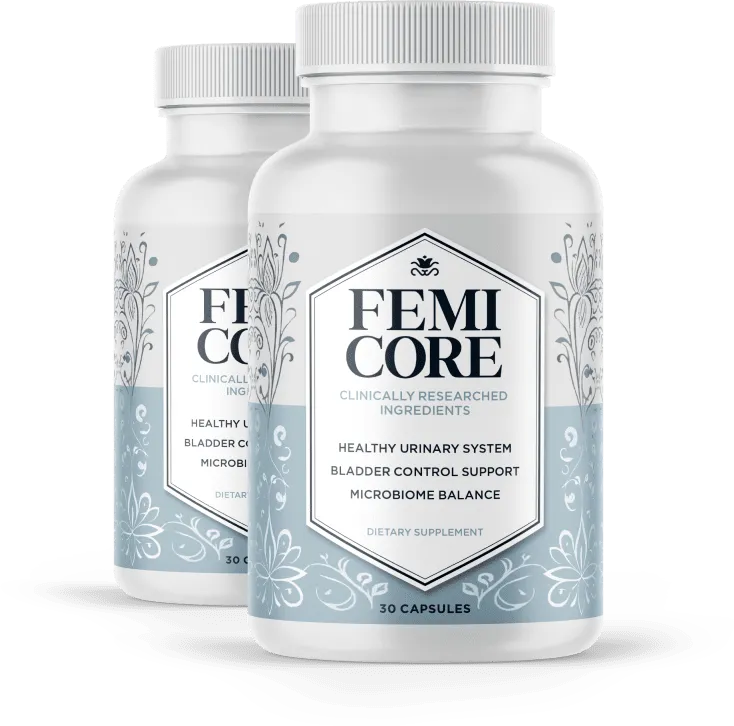
2 Bottles
- $158 total · 60-day supply
- about $2.63 per day
- Saves $200 vs $179 list price
- Shipping shown at checkout
- 60-day refund policy

6 Bottles (3 + 3)
- $294 total · 180-day supply
- about $1.63 per day
- Saves $780 vs $179 list price
- Free US shipping + 3 bonus e-books
- 60-day refund policy
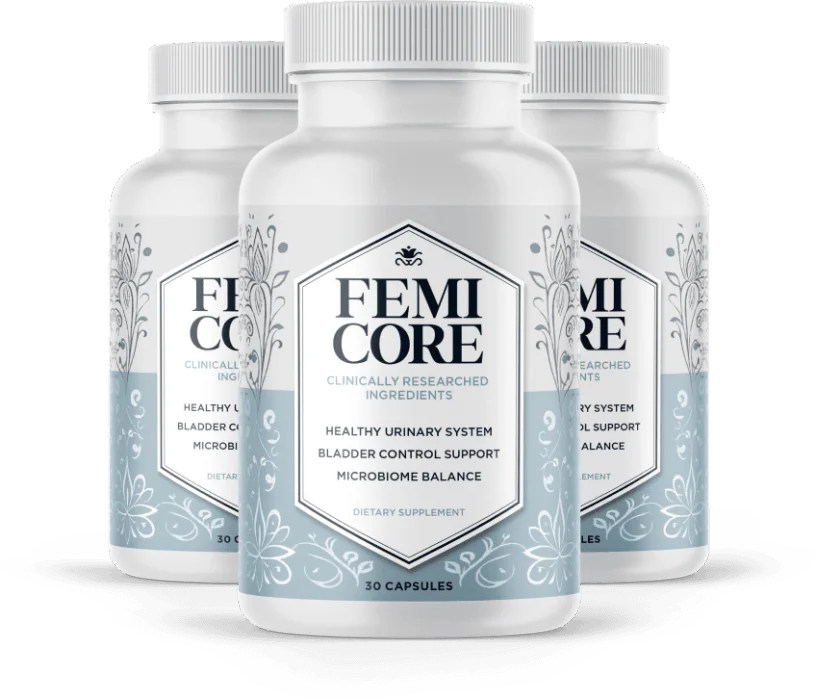
3 Bottles (2 + 1)
- $207 total · 90-day supply
- about $2.30 per day
- Saves $330 vs $179 list price
- Shipping shown at checkout
- 60-day refund policy
Prices checked on the seller’s page on October 19, 2026. They can change at any time; the checkout page shows the final price, shipping and tax.
What customers say
We have not included customer quotes because we could not verify any. Many “FemiCore reviews” online sit on sites that redirect to the seller with an affiliate code, and some quote ratings or customer counts without any source. If you read reviews elsewhere, look for named, dated reports on independent platforms, and be cautious about any page that claims FemiCore cures incontinence or eliminates infections.
“After my second child, bladder leaks became a daily struggle. Even sneezing or moving around could cause problems. After three months of using this product, I feel more comfortable playing with my kids and enjoying everyday activities with less worry.”
Emme R. – Columbus, OH
“I used to worry about leaks whenever I went out. Recently, I enjoyed a comedy show with my husband and a karaoke night with friends without a single embarrassing moment. I finally feel more confident and free to enjoy life again!”
Carol M. – Austin, TX
“I had tried so many solutions and was close to giving up. After my daughter encouraged me to try this product, I noticed a real improvement after nine weeks. I feel much more comfortable and no longer worry as much about changing pads throughout the day.”
Lisa G. – Sarasota, FL
We do not publish invented testimonials. Reviews will only appear here if they are real and we have permission to show them.
Who we think it suits
- Reasonable to consider: adult, non-pregnant women with mild bladder discomfort who have seen a doctor, take no interacting medicines, and want to try a combined cranberry-and-probiotic formula for a limited time.
- Better options first: women with frequent leaks should try pelvic floor exercises and bladder training (NIDDK guidance) and talk to a clinician, since these approaches have stronger evidence.
- Skip it: pregnancy or breastfeeding, kidney disease, a weakened immune system, regular metformin or warfarin without medical advice, or active UTI symptoms.
How FemiCore compares on value and transparency
To put FemiCore in context, here’s how it scores on the questions we ask of every supplement label:
| Question | FemiCore | What good looks like |
|---|---|---|
| Are all ingredients named? | Yes | Yes |
| Are individual doses given? | No (two proprietary blends) | Each ingredient in mg |
| Are probiotics given in CFU? | No (50 mg) | CFU at end of shelf life |
| Are probiotic strains named? | Yes (strain codes) | Yes, with published research |
| Is the finished product tested in humans? | Not that we found | At least one published trial |
| Are safety warnings on the label? | Partly (pregnancy, under 18, medical conditions) | Plus specific interactions and duration |
| Is there a refund policy? | Yes, 60 days from delivery | Yes |
On transparency FemiCore is mid-range: better than products that don’t name strains, worse than products that list each dose. On evidence it relies entirely on ingredient-level research, most of which concerns urinary infections rather than bladder control.
Questions to ask yourself before buying
- What exactly is my problem? Leaks with coughing or exercise usually point to the pelvic floor; sudden urges point to bladder overactivity; burning or fever points to infection. Only a clinician can tell you for sure, and the right approach differs for each.
- Have I tried the free options? Kegel exercises and bladder training cost nothing and are recommended by NIDDK.
- Do I take any medicines? If yes, ask a pharmacist about berberine and cranberry.
- Am I comfortable with undisclosed doses? If you want to know exactly what you’re taking, a product with a full dose table may suit you better.
- Can I commit to tracking? Without a bladder diary, it’s hard to judge whether any product works.
How we would try it, if you decide to
- Talk to your doctor or pharmacist, bringing the label (or our ingredients page).
- Order the smallest package from the seller’s checkout only.
- Note the delivery date; your refund window ends 60 days later.
- Keep a simple bladder diary (trips, urgency, leaks) for a week before and during use.
- Stop and seek advice if you get stomach upset, urine changes, or any infection symptoms.
- Reassess honestly at about 4 to 6 weeks, leaving time to return bottles if needed.
Frequently asked questions
Are FemiCore reviews online trustworthy?
Be careful. Many review pages are affiliate pages that redirect to the seller, and some quote ratings or customer numbers with no source. Look for independent, dated reports and avoid pages that promise cures.
Has FemiCore been clinically tested?
We found no published clinical trial on the finished FemiCore formula. Some individual ingredients, such as cranberry and L. crispatus, have been studied separately.
Does FemiCore work for bladder leaks?
There is no direct evidence that FemiCore reduces leaks. The best-supported approaches for leaks are pelvic floor exercises, bladder training and lifestyle changes, plus medical treatment where needed.
How long should I try FemiCore?
There is no evidence-based answer. Because bearberry is normally limited to short-term use, discuss duration with your doctor and reassess within the 60-day refund window.
What is the biggest weakness of FemiCore?
The proprietary blends: you cannot see how much of each ingredient you get, and the probiotic count is not given in CFU.
Ready to compare packages?
Order only through the seller’s checkout so your purchase is covered by the 60-day refund policy.
Affiliate link. Opens the seller’s official order page.Sources
- FemiCore seller page (getfemicore.com)
- FemiCore refund policy (seller)
- FemiCore contact page (seller)
- NIH Office of Dietary Supplements: Probiotics fact sheet for health professionals
- Cochrane: Cranberries for preventing urinary tract infections (2023)
- NCCIH: Cranberry
- Stapleton AE et al. Randomized, placebo-controlled phase 2 trial of a Lactobacillus crispatus probiotic given intravaginally for prevention of recurrent UTI. Clin Infect Dis. 2011;52(10):1212-1217
- European Medicines Agency: Community herbal monograph on Arctostaphylos uva-ursi leaf (superseded revision 1)
- LiverTox (NIDDK): Uva Ursi
- Berberine and health outcomes: an umbrella review. Phytother Res. 2023;37(5):2051-2066
- NCCIH: Goldenseal (berberine section)
- Sanaye MM, Joglekar CS, Pagare NP. Mimosa – a brief overview. J Pharmacogn Phytochem. 2015;4(2):182-187
- NCCIH: Probiotics – what you need to know
- NIDDK: Treatment for bladder control problems
Keep learning
*These statements have not been evaluated by the Food and Drug Administration. FemiCore is not intended to diagnose, treat, cure or prevent any disease. Information on this page is for education only. If you have bladder symptoms such as pain, blood in the urine, fever or sudden changes, see a health care professional.